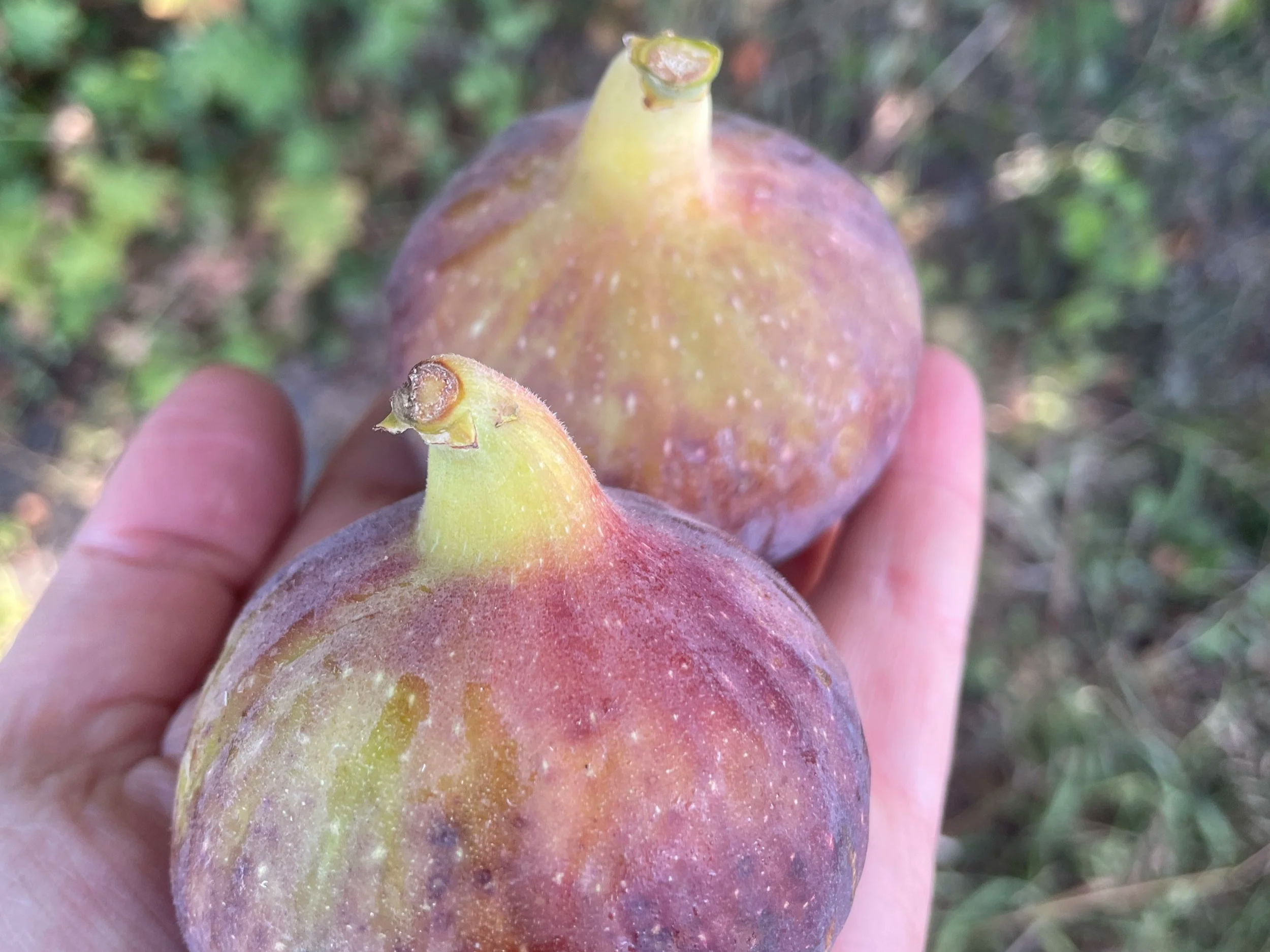
The very first Herefordshire apples came in last week in their perfect, rosy-hued sharpness. There are heirloom tomatoes to discuss ( and crikey are they worth a discussion- slice them nice and thin, a little sprinkle of good quality sea salt, perhaps some olive oil- absolutely immense). There are Padron peppers to wax lyrical over, the first autumn brassicas filling the cold store and French beans so snappy and full of flavour I want to give up eating anything else. And of course I should be telling you about the difficult year, the wildfires and drought, the crop failures and successes- the precarious and alarming realities of food production and climate change.
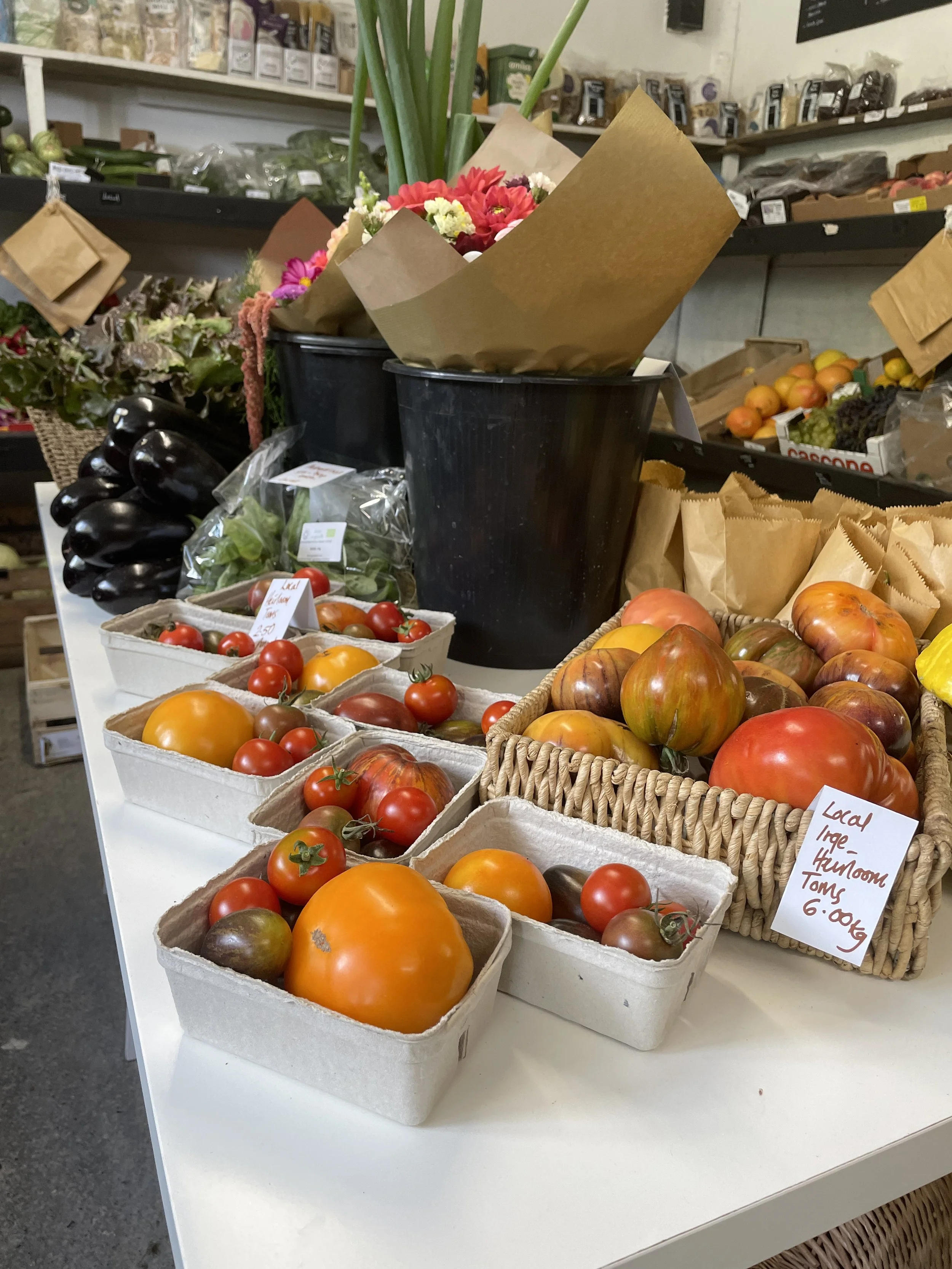
But actually, what I want to do is take you down to tunnel ten, and the little fallow patch beside it. Tunnel ten was the purchase we made after Covid, when the world felt unstable and we’d spent a year running on fumes to try and feed as many people as possible. When we put it up it felt like we were really setting our intentions for the future- to plant ourselves firmly here and grow more for our community than ever before. It is our largest single-spanned tunnel to date, and is also the place we trial most of our (my) experimental crops; Lets grow this weird Asian green! It’ll be great! This variety of turnip hasn’t been grown in the UK for 80 years!
Anyway, my bizarre seed-purchasing habits aside, its placement carved up the bottom field and created a sheltered patch between the tunnel and the hedge. This year, it was meant to be in a green manure- but thanks to an exceptionally cold and wet spring and then immediate drought, it is currently fallow. So Mum, being the wonderful bean-saving human she is, grew a double row of runner beans. And it is in between the two rows of these beans I find myself most evenings at the moment. It’s quite a magical thing to have those deep-green, heart-shaped vines grow above your head, wildly in flower and humming with insects. It is also my boys’ favourite place.
After work, when we are all tired and hungry and struggling to be decent humans, I grasp their small hands and escape to the field to find dinner. When we have stuffed our pockets full of cherry tomatoes, (they don’t care for the fancy ones at all and much prefer the perfect-cheek-stuffing-sized red Sakura) we pop our heads through each door of the tunnels, noticing hoverflies and cabbage whites. Looking in the damp corners where the plastic meets the earth for toads and beetles. We might pick an aubergine just to hold its bulbous body in our palms and stroke its shiny skin (I am yet to discover a way to get either of them to eat one but we persevere).
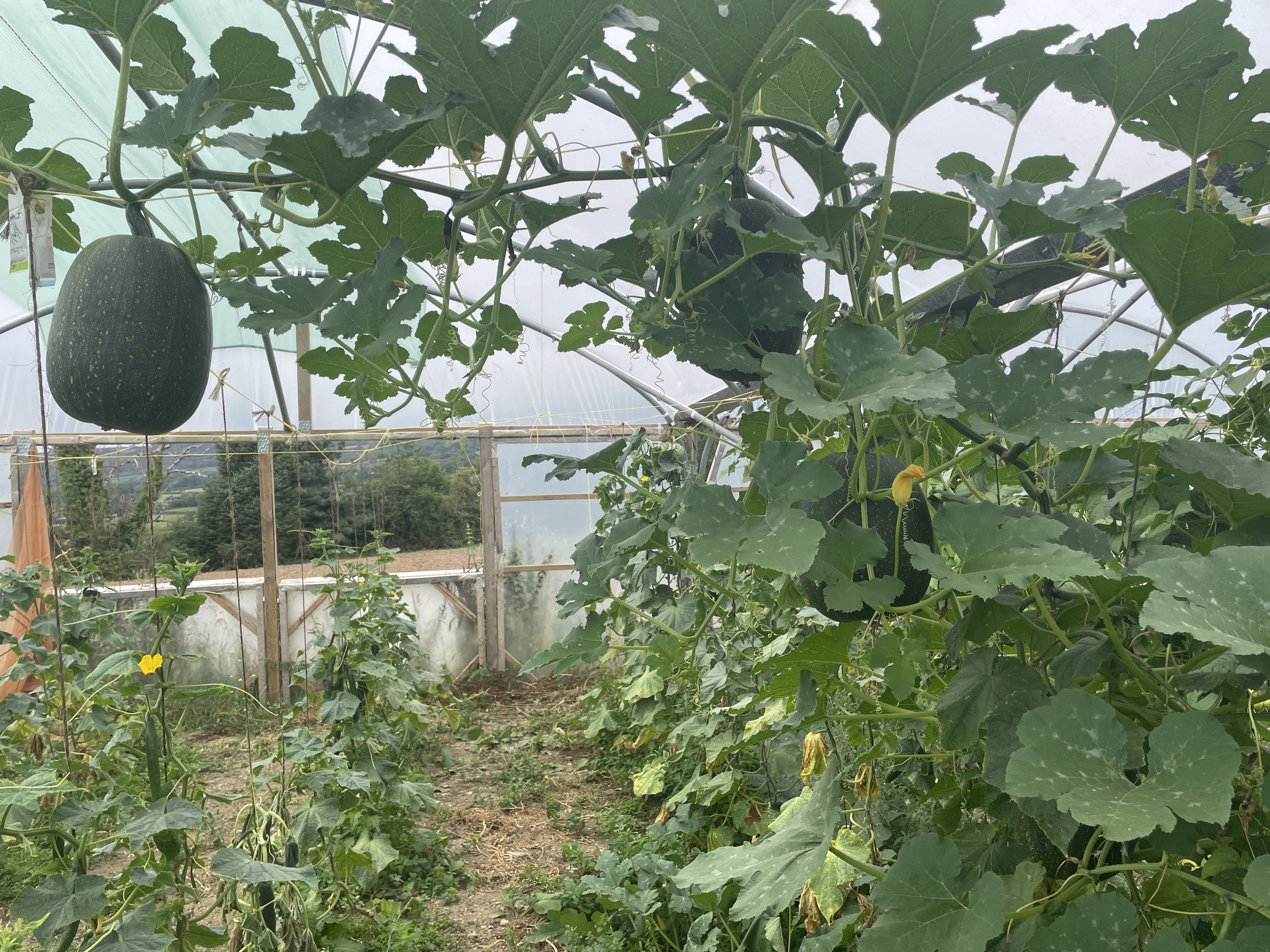
Eventually, eventually, we make it to tunnel ten, and those deep orange-red flowers that drip from the runner beans next door. What is it about them that makes them look so exceptional? Exotic even. So tempting. A missed runner bean is a horrible thing- tough and stringy and somehow dry on the palette. But get them young, as the beans inside are barely forming and they are just the most out of this world, utterly delicious thing. Crunchy and juicy and deeply green.
And as biased as I am (happily, joyfully biased) watching the boys discuss whether a cluster of beans is ‘ready’ for picking or not, watching them double back for ‘just one more’ or whisper-shouting ‘Look mum a bumbly-bee! Hello Mr Bee!’, it fills my heart with much needed hope in these arid and alarming times, and endless gratitude.
We held a small informal gathering of organic growers in the area last month, fired up the pizza oven in the garden and plied everyone with drinks. And whilst there were inevitable grumbles about the season, the garden was brimming with hope and solidarity, with plans for the future and new generations committing to growing. We celebrated our triumphs and commiserated our losses.
This year has been frightening for land workers everywhere, but amongst it all is a whole swathe of regenerative farmers, quietly getting on with the business of growing. Looking at innovative ways to save water and irrigate better, at more resilient types of heirloom seed, at diversifying and spreading risk. It is moments like these, head deep in bean flowers, or surrounded by intelligent, skilled growers chatting the next season over that I find myself equally calmed and inspired. We move forward.
Great right now:
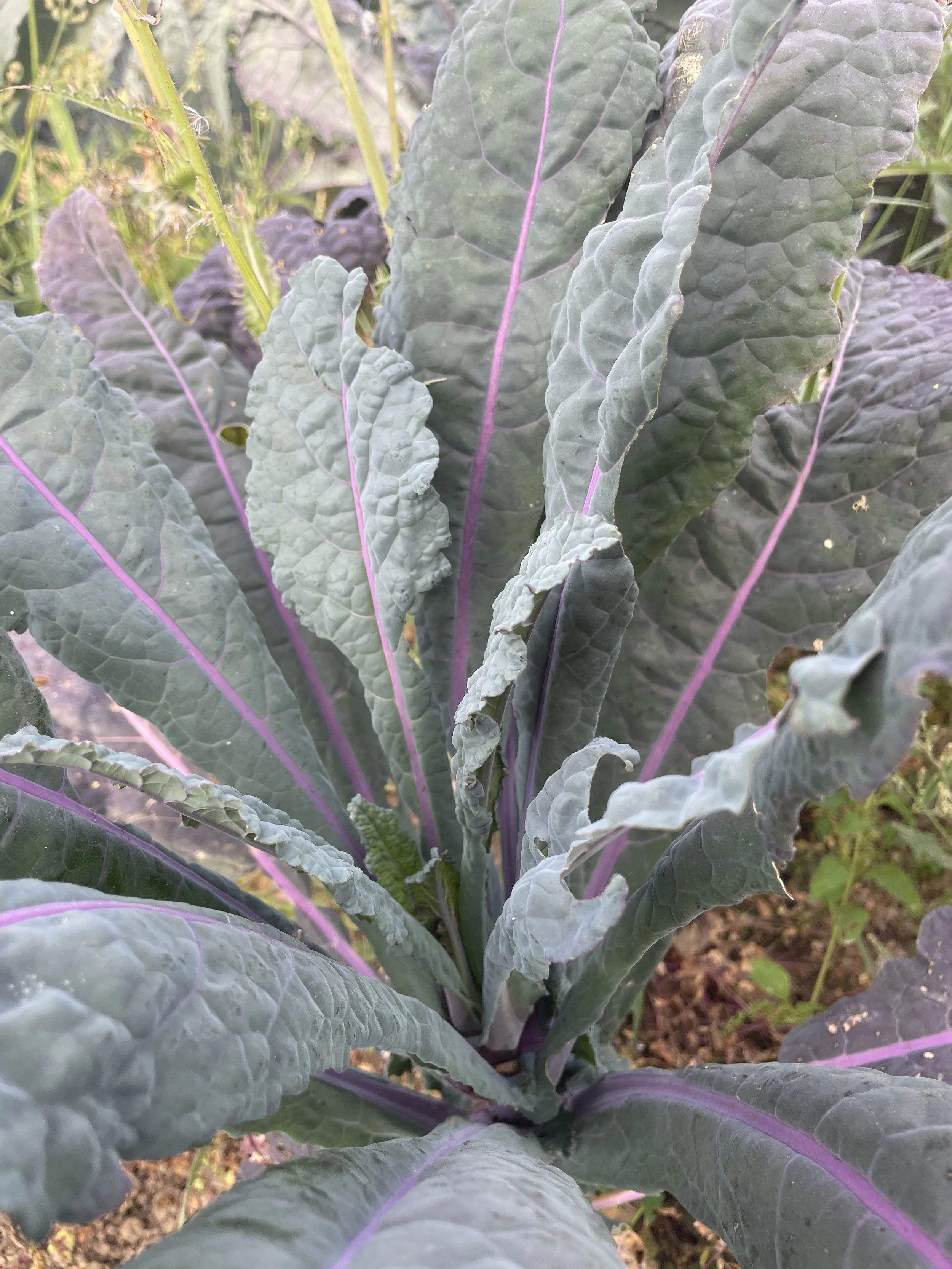
Tomatoes. All the tomatoes. The cherries, the heirlooms, the maincrops- they are ripe and delicious and sharp and sweet and just dripping from the plants- what a great year for tomatoes. Padron peppers are cropping thick and fast, their smoky flavour an absolute must. Dry-fry or grill them on a high heat until they just begin to blister- turn them regularly- throw them on a plate with some salt flakes and you’re done. Utterly delicious.
Flat beans, French beans and (limited) runners are great too! I promise to grow enough next year that even my kids can’t eat them all! We’re seeing the garden peas come into their own too.
The first squashes are trickling in, no doubt soon there will be a glut of funky varieties and flavours. And as we turn the seasons we’re getting sporadic local cauliflowers, calabrese broccoli and beautiful cabbage heads should be hitting the list asap. In the meantime enjoy the pointed Hispi whilst you can- shredded in to slaws, roasted in quarters- tender and sweet and out of this world- grown by the really skilled team at Awen Organics in Nevern.
We’ve moved onto UK maincrop carrots and onions too, from the team at Bagthorpe over in the east, but we’ll be back to Herefordshire’s for the majority of our winter supply soon, hopefully once we’ve had a downpour or two. UK plums are on the shelves and so are the first of the UK apples- Discovery. Both from Carey Organics in Hereford. I love apple season! Varieties will be changing weekly soon, so keep an eye out for your favourites.
Wishing you a happy end of summer,
Anna